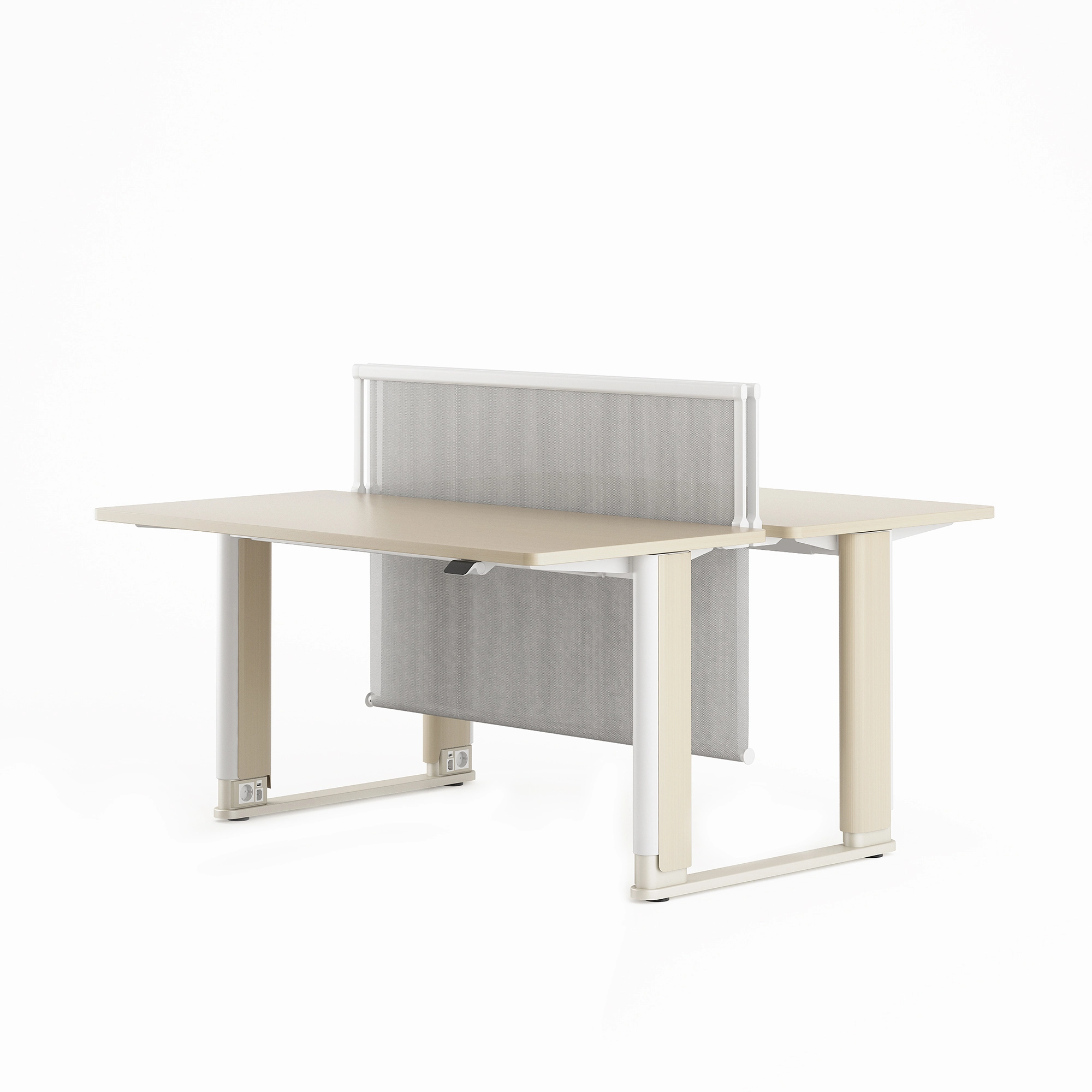
Modern workspaces demand more than just functional furniture. The right office seating solution can transform how employees work, collaborate, and feel throughout their day. Office seating has evolved from simple utility pieces into sophisticated tools that support both physical wellness and workplace productivity. Organizations increasingly recognize that investing in quality office seating directly impacts employee retention, morale, and operational efficiency. This guide explores how to select and implement office seating solutions that align with contemporary workspace design and employee needs.
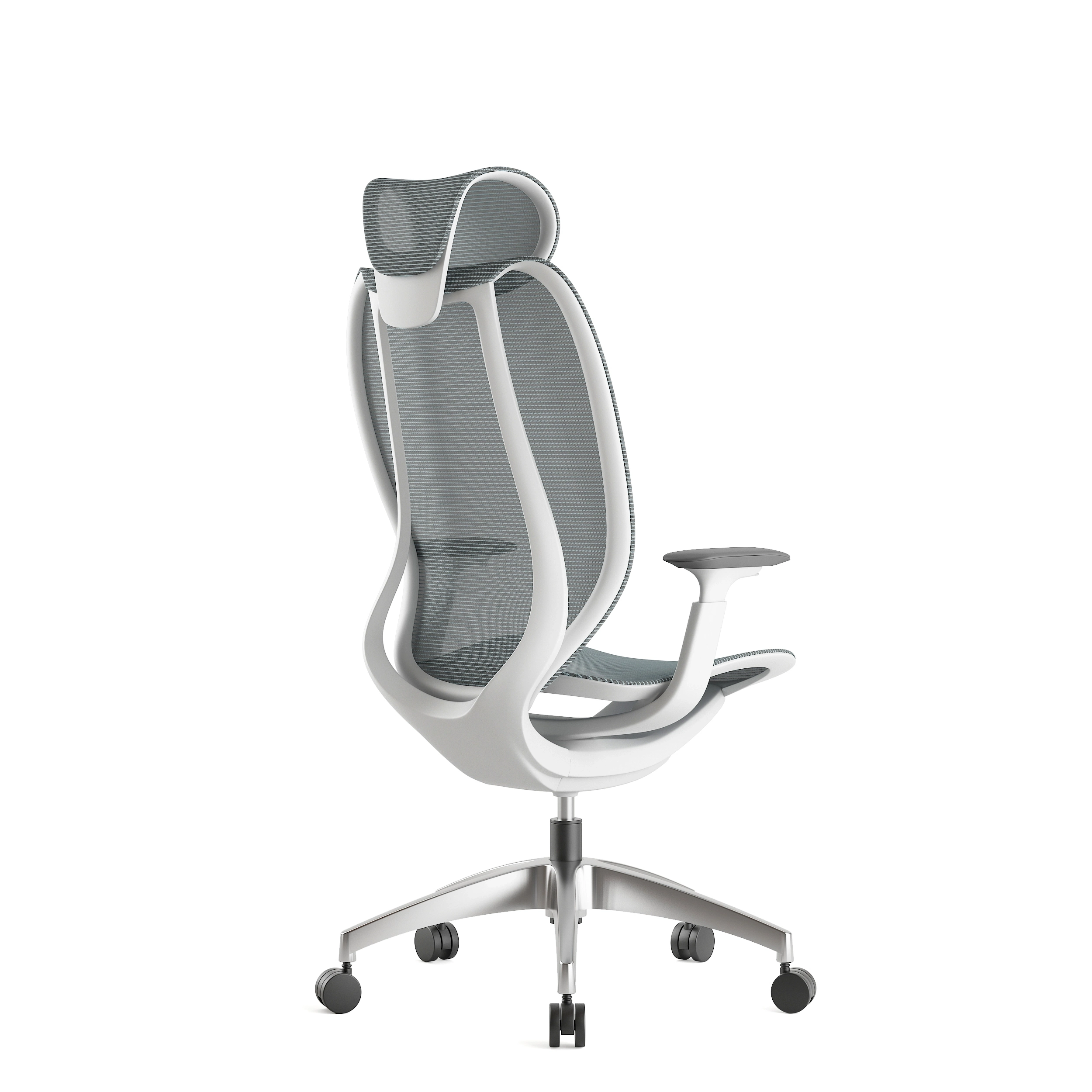
Today's workspace environments require office seating that addresses multiple dimensions of employee experience. Whether your organization operates from a traditional office, hybrid setting, or open-plan environment, office seating choices significantly influence daily comfort and long-term health outcomes. The evolution of office seating reflects broader workplace trends toward employee-centric design, wellness integration, and flexible work arrangements. Understanding the core principles behind modern office seating solutions enables decision-makers to create spaces where employees thrive and engagement flourishes.
Office seating represents far more than individual chairs scattered throughout a workspace. Thoughtful office seating strategy connects directly to organizational values, workplace culture, and operational goals. Modern office seating selections reflect how organizations prioritize employee wellbeing and productivity. When companies invest strategically in office seating, they communicate to employees that their comfort and health matter. This commitment translates into measurable improvements in focus, collaboration quality, and job satisfaction. Office seating that aligns with workspace design principles creates visual harmony while supporting functional requirements across different work modes.
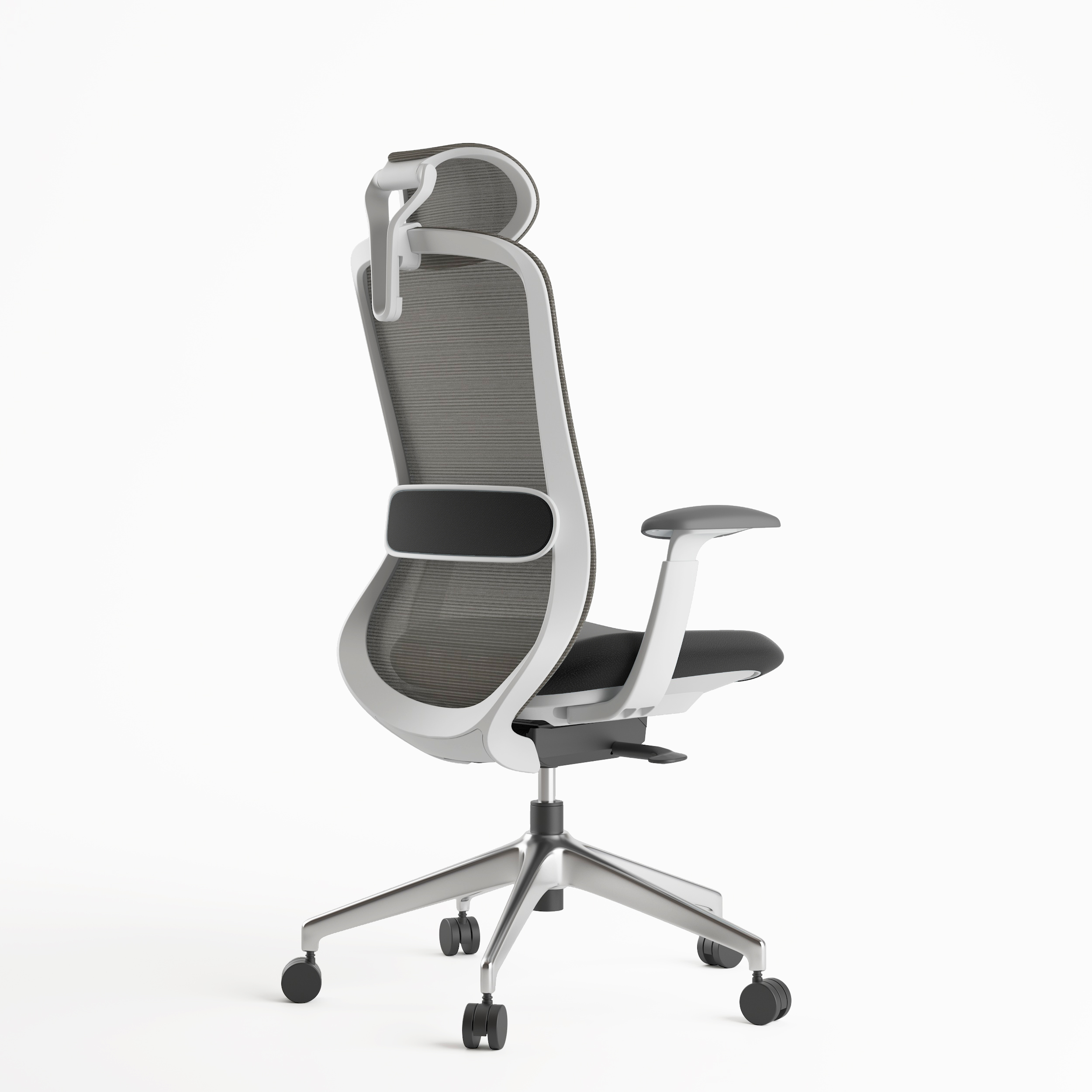
Contemporary office seating combines ergonomic sophistication with aesthetic versatility. Modern office seating typically features adjustable lumbar support, height modification systems, and armrest customization to accommodate diverse body types and work preferences. Quality office seating incorporates breathable materials, intuitive control mechanisms, and durable construction designed for intensive daily use. Today's office seating solutions often include mobility features like smooth-rolling casters and swivel capabilities that support dynamic workspace usage. The best office seating balances technical performance specifications with design language that complements modern office aesthetics. Office seating choices should reflect the specific demands of different work zones, from focused concentration areas to collaborative spaces.
Effective office seating selection begins with thorough needs assessment across your entire organization. Consider how different roles utilize workspace throughout their day, which tasks demand extended sitting periods, and which work modes require mobility and adaptability. Gathering employee feedback about current discomfort, pain points, and preferences informs office seating decisions that genuinely improve workplace experience. Office seating evaluations should examine existing usage patterns, anticipated growth, and future workplace strategy. Organizations with diverse teams often benefit from varied office seating options rather than uniform chair deployment. Understanding your specific workplace context ensures that office seating investments deliver measurable benefits rather than generic compliance with furniture standards.
Premium office seating demonstrates several quality markers that differentiate it from budget alternatives. Look for office seating with certified ergonomic design, weighted seat mechanisms that maintain proper position, and warranty periods exceeding five years. High-performance office seating incorporates materials tested for durability under intensive use conditions typical of professional environments. The best office seating brands provide transparent specifications about weight capacity, adjustment ranges, and component materials. Consider whether office seating offers customization options that accommodate diverse employee body dimensions and work preferences. Office seating quality directly correlates with long-term cost effectiveness, reducing replacement frequency and supporting sustained employee satisfaction. Investing in superior office seating upfront typically proves more economical than repeated replacement of lower-quality alternatives.
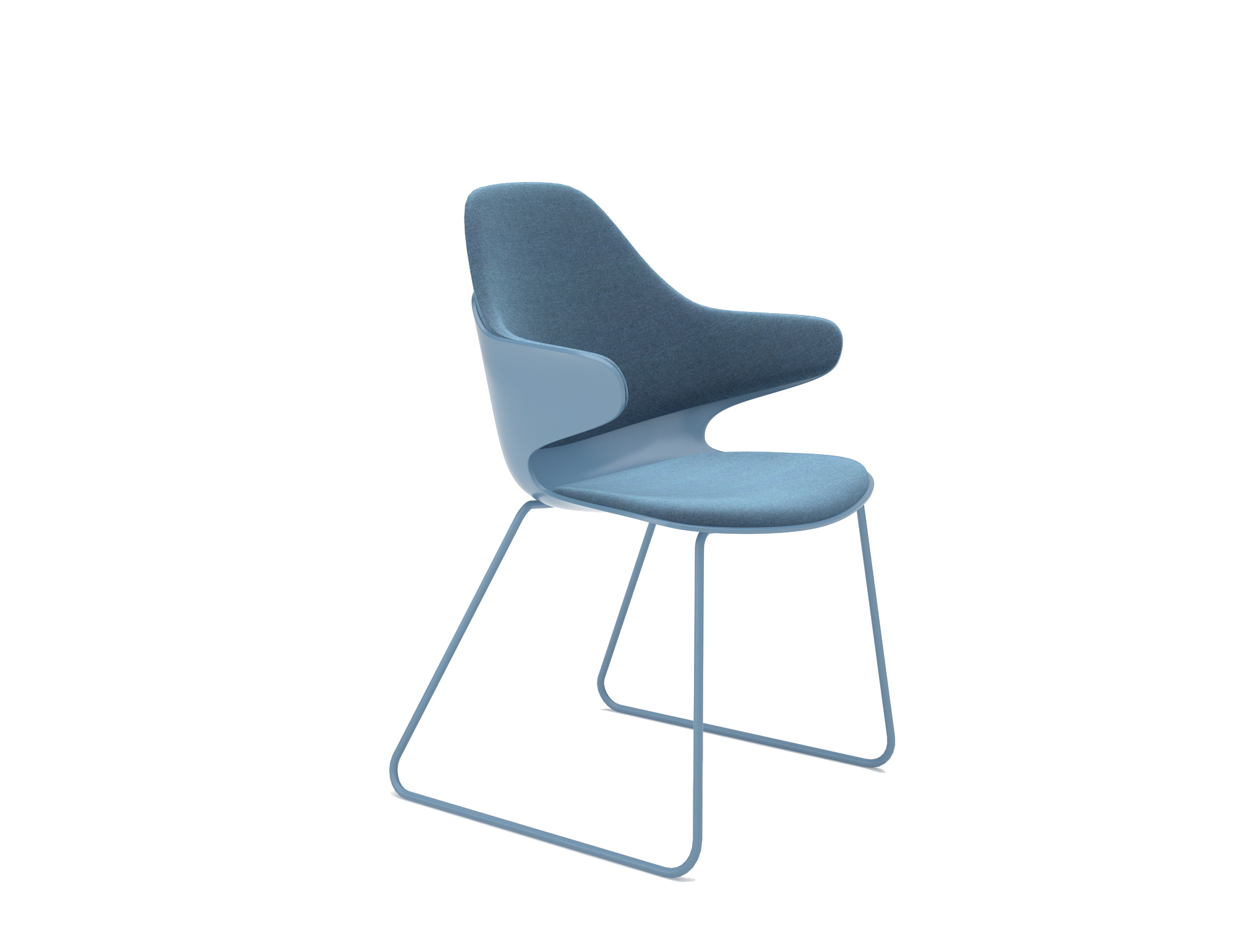
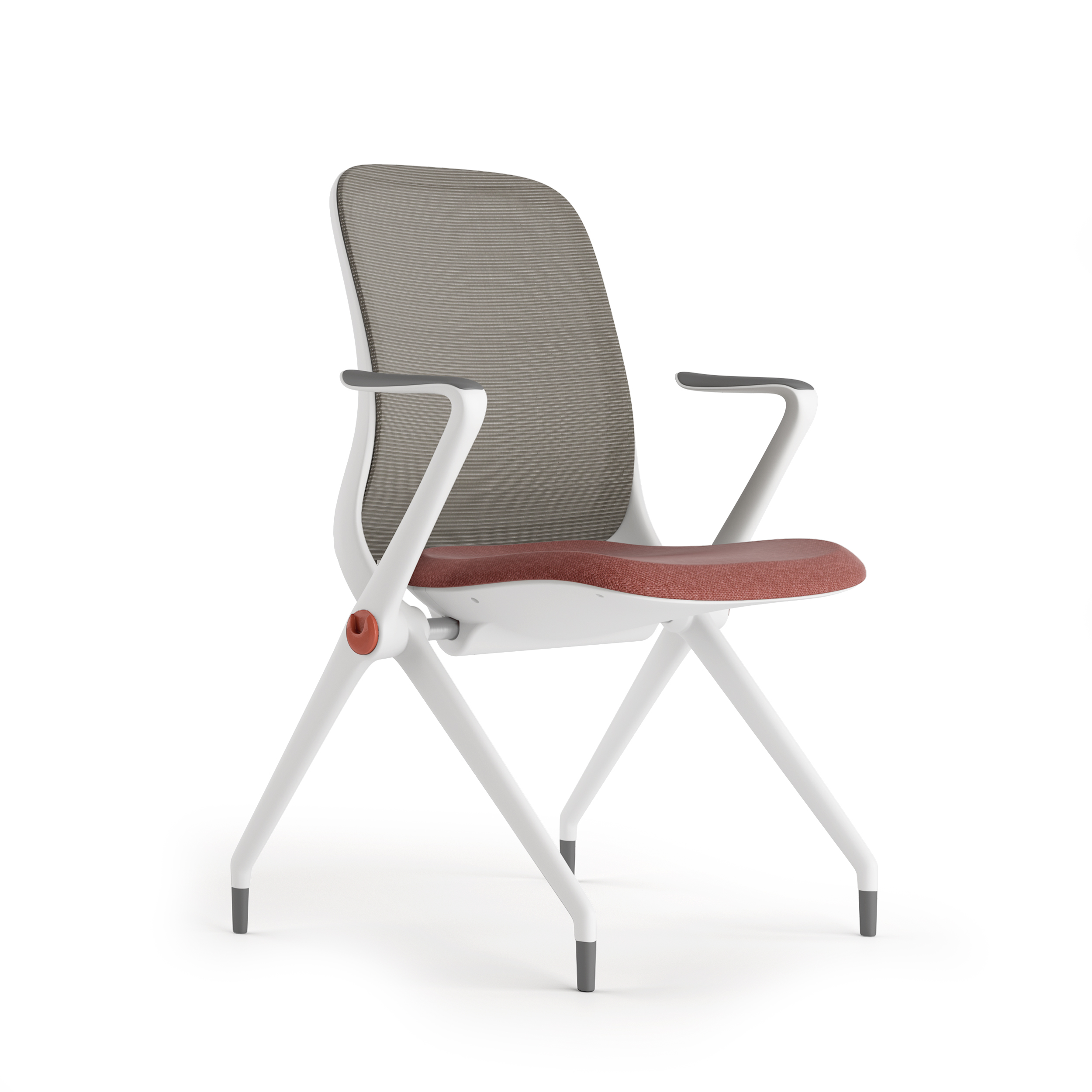
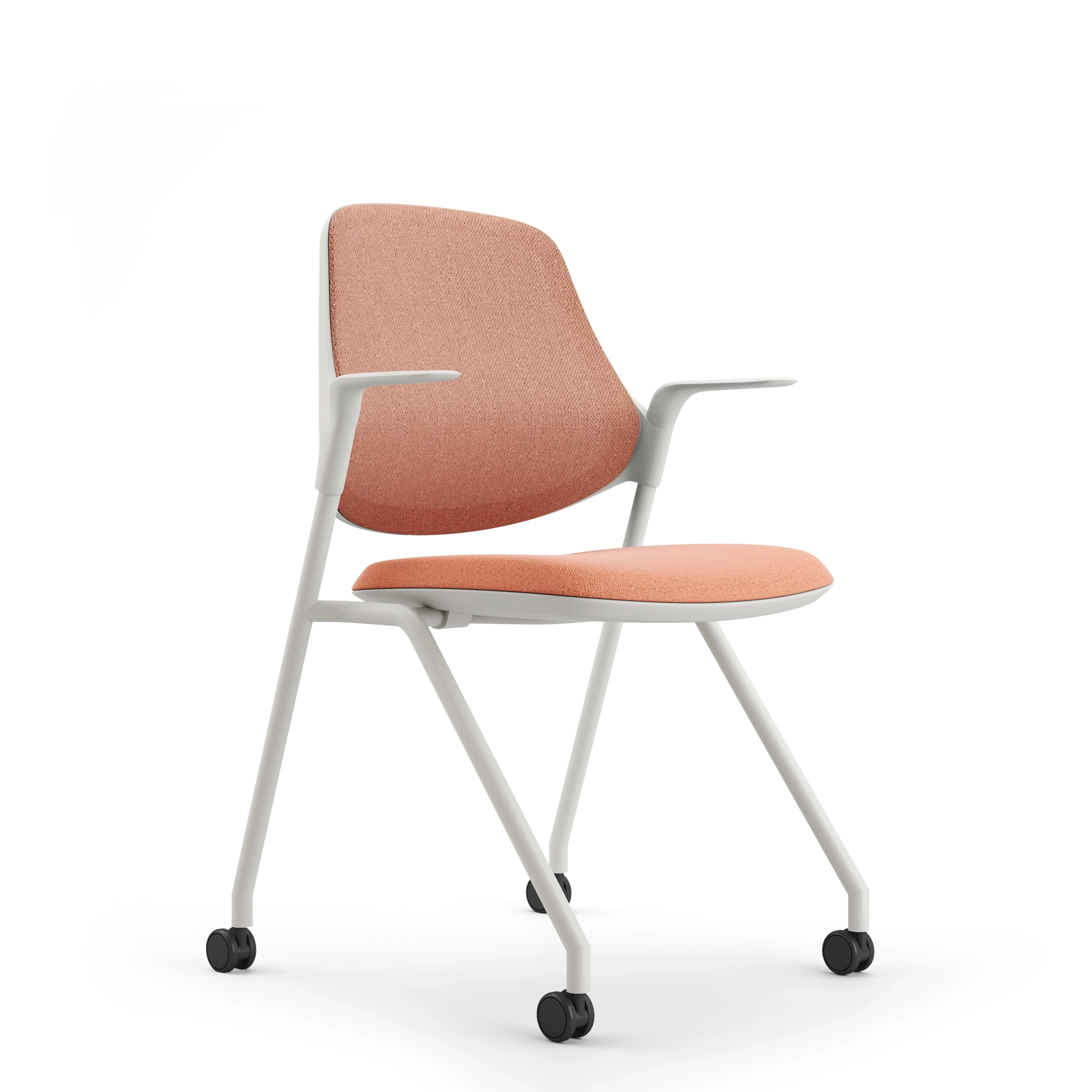
Successful office seating implementation requires thoughtful planning about where different styles support specific work activities. Dedicated focus zones benefit from ergonomic office seating optimized for extended sitting and concentrated tasks. Collaborative areas may incorporate more mobile office seating that facilitates movement and reconfiguration. Meeting spaces and casual areas often support different office seating profiles than individual workstations. Phased office seating rollouts allow organizations to gather employee response, gather usage data, and refine deployment strategies before full-scale implementation. Comprehensive office seating inventory management ensures consistent availability, maintenance schedules, and replacement protocols. Strategic office seating deployment aligns furniture investment with workspace function, maximizing performance across different zones and work modes.
Introducing new office seating requires thoughtful change management to encourage proper usage and maximize benefit realization. Providing adjustment training ensures employees understand how to customize office seating for their individual needs and work styles. Clear documentation about adjustment procedures, maintenance care, and feature optimization supports successful employee adaptation. Regular feedback collection helps organizations understand satisfaction levels and identify any recurring issues with office seating performance. Maintenance protocols that preserve office seating functionality extend asset life and demonstrate organizational commitment to employee comfort. Creating awareness about wellness benefits associated with quality office seating encourages consistent usage patterns. Long-term office seating success depends on ongoing attention to employee experience, environmental feedback, and workspace evolution.
Strategic office seating choices directly contribute to employee health outcomes and operational productivity metrics. Ergonomic office seating reduces musculoskeletal strain, lower back pain, and repetitive stress injuries common in traditional office environments. Employees using quality office seating report improved focus, reduced fatigue during extended work periods, and enhanced overall wellbeing. Organizations investing in supportive office seating often experience reduced absenteeism related to discomfort or injury. Office seating that promotes proper posture supports blood circulation, reduces metabolic strain, and enhances cognitive function throughout the workday. Health insurance providers increasingly recognize that quality office seating constitutes preventive wellness investment. Comprehensive office seating strategies connect directly to broader organizational health and safety initiatives.
Modern office seating solutions should accommodate diverse employee populations with varying physical needs and preferences. Inclusive office seating options recognize that one-size-fits-all approaches fail to support diverse body types, work styles, and accessibility requirements. Organizations should provide office seating with wide adjustment ranges, specialized support features, and customization capabilities. Office seating selections should reflect accessibility standards and accommodate employees with specific mobility, posture, or support needs. Diverse office seating portfolios that offer multiple styles and adjustment options demonstrate organizational commitment to equity and inclusion. Gathering input from employees with diverse needs ensures that office seating investments support actual workplace population requirements. Inclusive office seating strategies strengthen organizational culture while optimizing the entire employee experience.
Quality office seating significantly influences productivity by reducing physical discomfort, supporting sustained focus, and enabling dynamic work patterns. When employees are comfortable in their office seating, they maintain attention longer, experience fewer fatigue-related concentration lapses, and engage more effectively in collaborative activities. Office seating that supports proper ergonomics prevents pain and strain that typically distract from work. Research demonstrates that employees with access to high-quality office seating report greater job satisfaction and perform measurably better on complex cognitive tasks. Additionally, office seating that facilitates movement and position adjustment helps employees maintain energy and alertness throughout the workday, directly supporting productivity metrics.
Essential office seating specifications include adjustable lumbar support, pneumatic height adjustment, padded seat cushioning with breathable materials, and smooth mobility features. Quality office seating should offer seat depth adjustment, armrest customization, and synchronized tilt mechanisms that maintain spine alignment. Weight capacity ratings and durability certifications indicate whether office seating can sustain intensive daily use. Materials should balance comfort, durability, and aesthetic compatibility with your workspace design. Office seating should accommodate the full range of employee body dimensions, typically supporting weight ranges from lightweight to over 300 pounds. Warranty coverage and manufacturer support ensure long-term office seating reliability and parts availability. Prioritizing ergonomic standards and quality construction ensures office seating delivers sustained comfort and performance.
Premium office seating typically maintains performance and aesthetic appearance for 7 to 10 years with proper maintenance and care. However, replacement timelines depend on usage intensity, maintenance protocols, and evolving employee needs. Organizations should assess office seating condition annually, addressing maintenance issues before functionality deteriorates. If employees consistently report discomfort or if office seating shows visible wear, replacement consideration becomes appropriate. Technological advances and emerging ergonomic research may justify office seating upgrades even if existing furniture remains functional. Phased office seating replacement programs allow budget management while ensuring consistent quality across the workspace. Regular assessment of office seating performance metrics helps organizations make data-driven decisions about maintenance, refurbishment, or replacement investments.
 Hot News
2026-08-24
2026-08-20
2026-08-17
2026-08-03
2026-08-10
2026-07-30

 EN
EN